Skip Hire in East Ham for domestic and trade waste
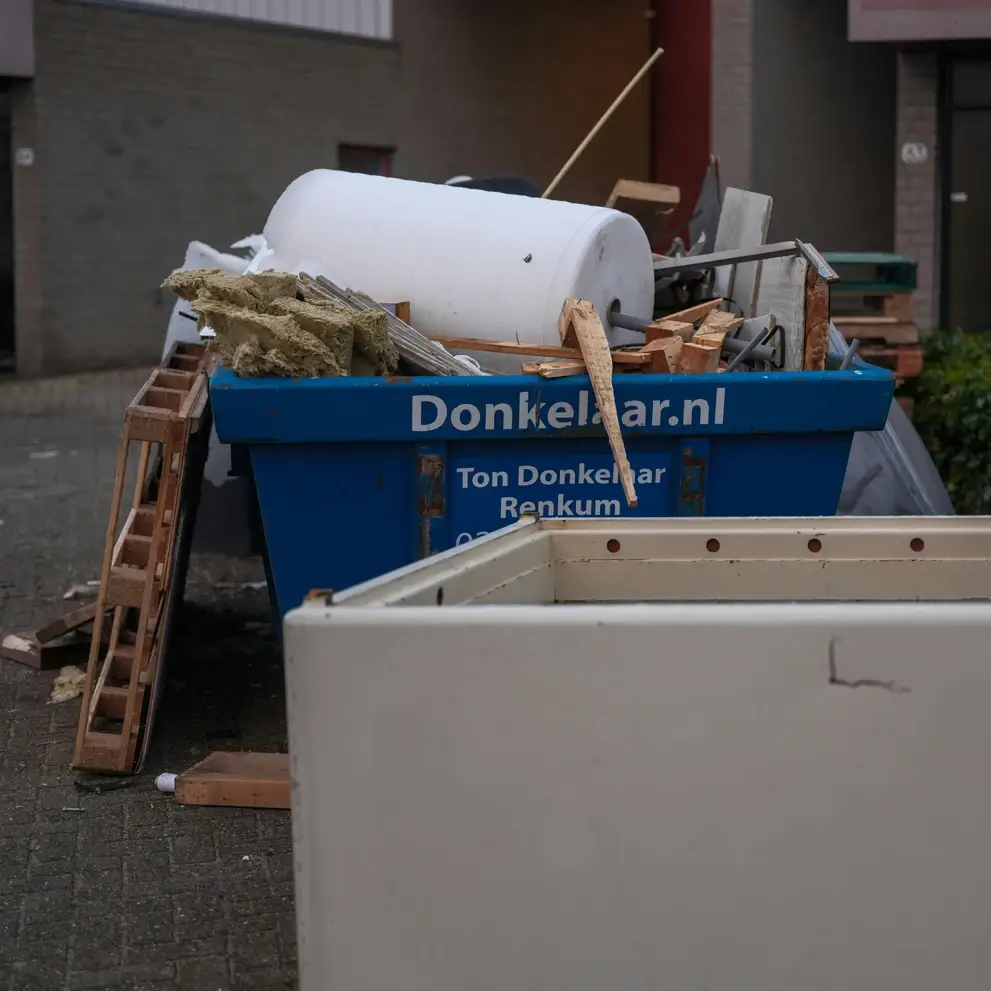
Skip hire in East Ham is a practical way to manage bulky rubbish, renovation spoil and mixed waste when you want an organised collection point on site. We provide a straightforward service for households, landlords, builders and other local customers who need containers for planned clear-outs, building work or one-off waste disposal. The focus is on selecting the right skip size, placing it sensibly and arranging removal once it is ready.
Our main service centres on skip hire for waste streams commonly produced by home improvements, garden work, light construction and property clearance. That can include broken fixtures, timber, packaging, soil in limited quantities, old furniture and other general waste that is suitable for skip disposal. If you are comparing options, the aim is to make the process clear rather than complicated. Use the service that best matches the volume and type of waste, then request a quotation when you are ready.
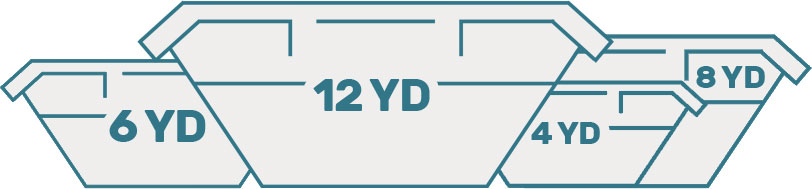
For customers who prefer to plan carefully, the first decisions are usually the expected volume, the type of materials and the space available for delivery. Those three factors help determine whether a smaller domestic container, a larger builders’ skip or a more specific arrangement is the better fit. If you already have a list of items or a rough idea of the job, it is easier to choose confidently and avoid hiring a container that is either too small or unnecessarily large.
Choosing the right skip for the job
Different projects create different waste profiles, so the best skip is rarely chosen by size alone. A tidy garage clear-out may produce lightweight mixed rubbish, while a kitchen refit can involve heavier materials and awkward packaging. Soil, rubble and bricks can quickly use capacity, even when the pile does not look especially large. Our service is designed to help customers match the container to the actual job rather than guess from appearance alone.
When the waste is mainly household items, the decision often turns on access and the amount of sorting already done. A skip can suit one-off decluttering, bin overflow from a move or a property clean-up where items are being gathered in one place before collection. For trade users, the picture is usually different: a builder may need a container that handles dense debris without constant overfilling, while a decorator may need something more general for packaging and stripped-out fittings. Clear identification of the waste mix makes the recommendation more accurate.
Typical factors that affect the choice include:
- the approximate amount of waste to be removed
- the presence of heavy or dense materials such as rubble, soil or tiles
- the space available for placing the container
- the need to separate reusable, recyclable or restricted items
- how quickly the waste will be generated during the project
Domestic projects and household clear-outs

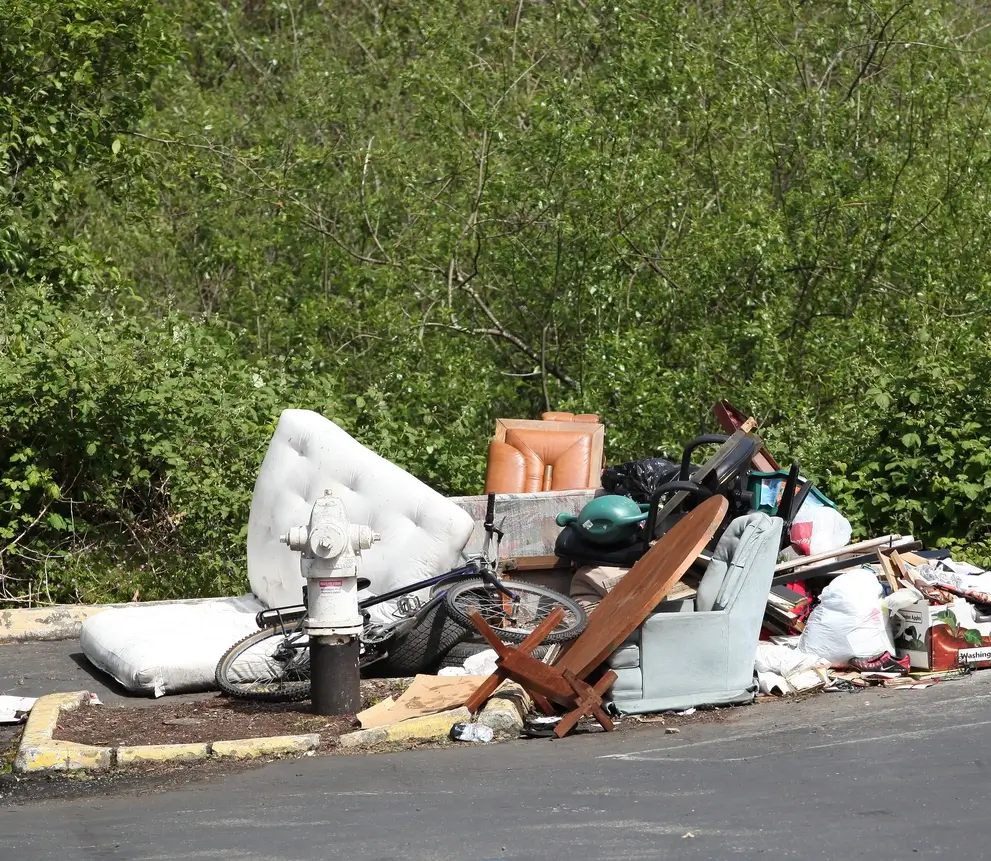
Household waste can build up in stages, especially during repairs, redecorating or a move. Our domestic skip hire service suits customers who want a single container on hand while the work is happening, rather than repeated trips to a tip. It is commonly used for old flooring, dismantled furniture, cupboards, packaging, bathroom fittings and general non-hazardous waste that needs removing in an orderly way.
For many domestic jobs, the most useful approach is to separate items before they go into the skip. That does not mean turning the project into a sorting exercise; it simply helps avoid mixing unwanted rubbish with materials that may be reused or handled differently. If you are clearing a loft, shed or spare room, it can help to group items by type and keep an eye on anything that should not be thrown in. A little preparation usually keeps the loading process neater and makes the collection easier to organise.
We also support customers who are dealing with accumulated clutter after a long period of storage. In those cases, the main benefit of skip hire is control: items can be removed at a measured pace, and the waste remains contained until collection. That can be especially useful when several rooms are being tackled at once, or when a property is being readied for refurbishment, letting or sale. One container can simplify a scattered job.
Builders’ skip hire for renovation and site work
Builders’ skip hire is often the most suitable option when the waste is dense, repetitive and created over several days. Renovation work produces a mix of rubble, broken plaster, timber offcuts, packaging and stripped-out fixtures, and that mix needs a robust disposal plan. Our service is aimed at jobs where waste gathering would otherwise slow the work down or create congestion around the property.
For building projects, access and timing matter as much as capacity. A skip should be placed so it supports the workflow without blocking essential movement or creating unnecessary disruption. It can be delivered for a short project, a phased refurbishment or a longer site programme, depending on the needs of the job and the space available. Good planning helps keep waste removal aligned with the pace of the work, so the site remains more manageable.
If your project involves repeated waste generation, it is worth thinking about how full the container is likely to become between collections. Heavy rubble can fill space quickly, while mixed light waste may appear bulkier than it is. Choosing the right container size early can reduce the need to rearrange materials mid-project. For trade customers, that small decision often saves time later.
Garden waste and outdoor clearance

Garden projects create their own kind of waste, from soil and turf to branches, fencing pieces, old sheds and general green material. Our garden waste removal and skip hire options are useful when the task is larger than a few sacks but does not justify a more involved clearance method. They can support seasonal tidy-ups, landscaping work and larger outdoor improvements where the waste appears gradually as the job progresses.
Green waste behaves differently from household rubbish because it can be bulky, damp and awkward to stack. Branches and hedge cuttings may compress, while roots and soil may become heavy very quickly. For that reason, it helps to think about whether the job is mainly light garden cuttings, a full landscaping project or a mixture of the two. The right skip makes outdoor work simpler because the waste stays contained while the project continues.
Where appropriate, customers may also want to consider whether items such as treated timber, fencing panels or old pots need to be separated from purely green material. This is less about creating extra steps and more about keeping the load sensible and compliant with the type of waste being handled. If you are unsure, ask for guidance before loading begins. It is often easier to make one clear decision at the start than to rearrange the contents later.
House clearances, lofts and garage waste
House clearance work often produces a varied mix of unwanted items, including furniture, broken household goods, packaging, soft furnishings and general clutter. Our service can support the disposal side of a clearance when customers want a container on site while the space is being emptied. That is particularly useful for lofts, garages, outbuildings and storage spaces where contents have built up over time and need removing in stages.
When the job involves several rooms or a property with mixed contents, the practical question is usually how to keep moving without the waste taking over. A skip gives you one designated place for material that is definitely going, while items for donation, resale or reuse can be handled separately. That distinction keeps the project manageable and reduces confusion, especially where family belongings, older furniture and general rubbish are all present at once.
We also work with customers who need waste removed as part of a broader property refresh after tenants leave or a long-term store of items is sorted through. In those cases, a clear plan for loading can help the process feel less disruptive. Keep the useful, load the rest is a simple rule that often works well. For larger or more awkward furniture pieces, it may be sensible to break items down before loading where safe to do so.
Materials, restrictions and sensible loading
Not every item belongs in a skip, and understanding the limits helps keep the service efficient. General non-hazardous waste is the usual fit, but certain materials require separate handling or may need a different disposal method altogether. Our service is better suited to everyday mixed waste, building debris and household items than to specialist regulated substances. If you are unsure about a particular item, it is better to check before it is added to the load.
Loading sensibly also improves the value of the container. Flat items, boxes and lighter rubbish can be arranged to make better use of space, while heavier pieces should be placed where they will not destabilise the load. It is not about overpacking or forcing extra material in; it is about making the most of the capacity you have hired. A well-loaded skip is easier to collect, easier to manage and more appropriate for the work being done.
In practice, customers often ask about items such as plasterboard, soil, rubble, metal offcuts, appliances and furniture. The right answer depends on the material and the mix, which is why a brief description of the waste is useful when requesting a price. The more accurately the waste is described, the more suitable the recommendation can be. If the load contains anything potentially restricted, mention it early so the disposal plan is clear from the outset.
About East Ham
East Ham is a district in the London Borough of Newham in east London, with a long history shaped by its position within the growth of the capital’s eastern suburbs. The area lies between neighbouring parts of Newham and is linked by strong road and rail connections, including East Ham station on the District and Hammersmith & City lines. Historically, East Ham developed from a rural parish into a built-up urban district during the nineteenth and twentieth centuries, reflecting wider change across the lower Lea Valley and the expanding London conurbation. Its streets and high roads contain a mix of later Victorian, Edwardian and interwar building styles, with terraces, shops and civic buildings forming much of the everyday character. Green space remains an important feature of the district, including Central Park, which offers open areas, trees and recreational facilities. The local environment also reflects the broader geography of east London, where transport corridors, residential streets and town-centre activity sit close together. East Ham’s public realm, shopping streets and community facilities give the area a busy urban identity, while its long development history can still be read in the layout of the roads and the variety of its housing stock.
Domestic and commercial arrangements

Skip hire is useful for both private and business customers because the underlying need is similar: waste has to be removed in a way that does not interrupt the work. Domestic jobs usually benefit from straightforward hire periods and simple loading, while commercial jobs may need slightly more coordination because of access, workflow and the type of material being produced. We can support both approaches with a service that stays focused on the waste itself.
For businesses, the most common use cases include shop refits, office strip-outs, property maintenance, light construction and periodic clearances. For households, the service often sits alongside decorating, decluttering, landscaping or moving home. In both cases, the principle is the same: have a contained place for waste, then arrange removal when the project reaches the right stage. That keeps the site more orderly and avoids the build-up of loose rubbish around the property.
When comparing skip options, it helps to think about what is being removed now and what might appear later in the job. A clearer picture of the waste profile usually leads to a better decision. If you are working with a deadline or a staged project, it is also sensible to allow for the timing of delivery and collection so the container supports the work rather than slowing it down.
Waste recycling and responsible disposal
Recycling and responsible disposal are important parts of modern waste management, especially where skip loads contain mixed materials from building, garden or clearance work. Our service is intended to help customers manage that waste in a contained way before it is processed further. In many projects, a well-organised load makes it easier to direct suitable materials away from general disposal routes and toward more appropriate treatment.
Customers do not usually need to sort every item into separate streams before hiring a skip, but it is sensible to avoid putting obviously unsuitable items together with ordinary waste. Keeping the load clean of prohibited materials is part of responsible disposal and helps the collection proceed without avoidable problems. For practical purposes, the best approach is often to load similar items together where possible and keep an eye on anything that needs different handling.
That approach works particularly well where the waste comes from demolition, refurbishment or a broader property project. Mixed jobs can create a surprising amount of packaging, offcuts, broken fixtures and general rubbish, so a single organised container is often more workable than several ad hoc disposal methods. A tidy load helps the whole project move on more smoothly.
Request a quotation for skip hire

To request a quotation, it helps to have a simple outline of the waste, the access at the property and the timing you have in mind. You do not need to prepare a long explanation, but a few practical details make the recommendation more accurate. If possible, note the likely waste type, whether the job is domestic or trade, and whether the skip will need to fit on private land or in a more restricted space. That gives a better basis for matching the service to your project.
Our team can then help you decide whether the job suits a standard domestic hire, a builders’ container or a more specific arrangement for a clearance or site project. If you are unsure which page is most relevant, start from the main service and describe the materials as plainly as possible. Simple details are often enough to get the process moving. When you are ready, ask for a quotation and we will take it from there.
For a quicker response, gather the essentials first: the approximate amount of waste, the kinds of items involved and the preferred timeframe. Then send your enquiry through the most suitable contact route and include any access notes that might affect delivery. Request your quotation today.